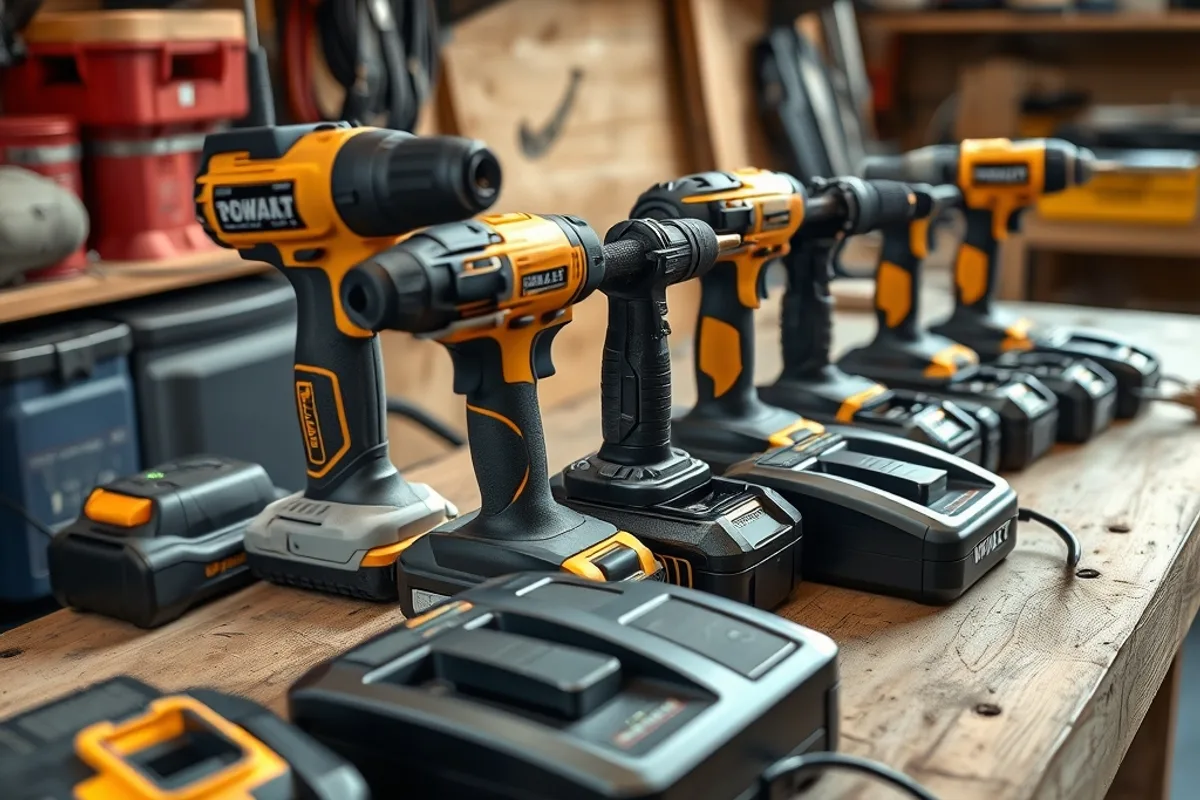
Every tradesperson and serious renovator faces the same question: is it cheaper to own this machine or to hire it when needed? The instinct is to buy, because ownership feels like an asset and hire feels like throwing money away. The arithmetic usually says otherwise, at least until utilisation passes a threshold that most domestic projects never reach.
The right way to decide is to calculate cost per hour of actual use, including everything that is easy to forget: transport, storage, servicing, insurance, downtime and the resale value you will not get back.
The short version
- Count utilisation in hours per year, not days per project.
- Add transport, storage, insurance, servicing and downtime to the purchase price.
- Hire wins below roughly 100 to 150 hours a year for most small machines.
- Buy when the machine is used weekly, when hire availability is unreliable, or when the tool must be on site at short notice.
- Buy used only with a service history and a mechanic's inspection.
Start with honest utilisation
Utilisation is the number of hours a machine actually works in a year. Not the days it is on site, not the weeks you own it, but the hours the engine or motor runs. A plate compactor might run three hours on a patio job that takes three days. A mini excavator might run six hours a day for two weeks and then sit idle for a year.
Write down every job you can reasonably expect in the next three years and estimate the running hours for each. Most home improvement projects produce totals between 20 and 80 hours per machine per year. Professional groundworks or landscaping crews reach several hundred.
The full cost of ownership
Purchase price is only the first line. A realistic annual cost includes:
- Depreciation: typically 15 to 25 per cent in year one, then 10 to 15 per cent a year for compact equipment.
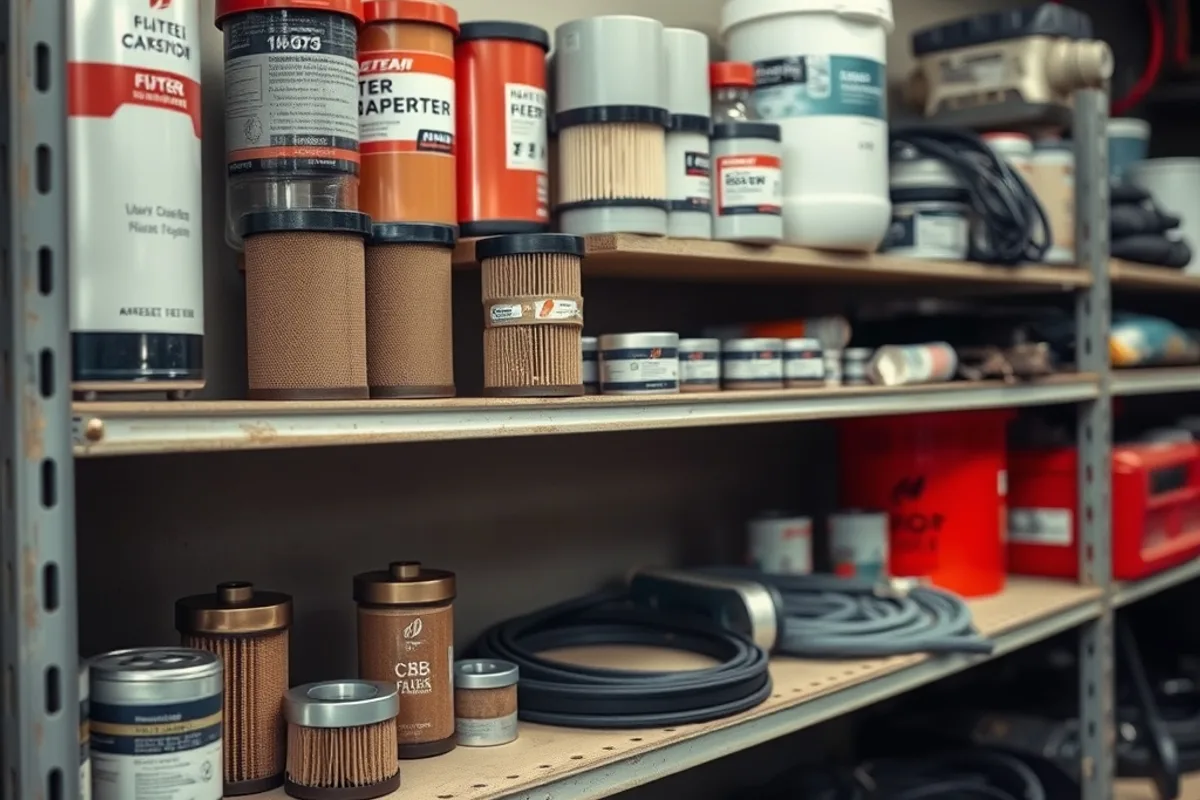
- Servicing: filters, oil, belts, blades and grease, plus an annual inspection.
- Repairs: budget 5 to 10 per cent of the machine value per year once out of warranty.
- Insurance and security: plant theft is common; a locked store and adequate cover cost money.
- Storage: a secure, dry space has a rentable value even if you already own the shed.
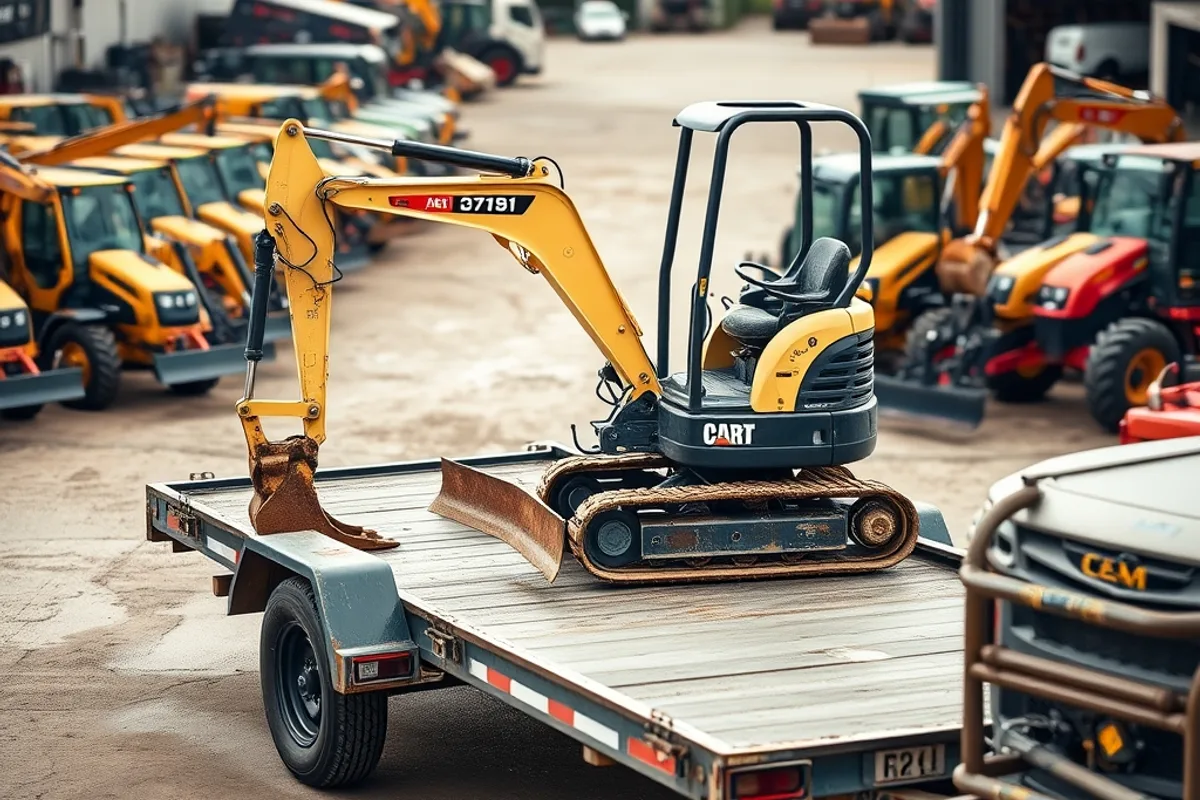
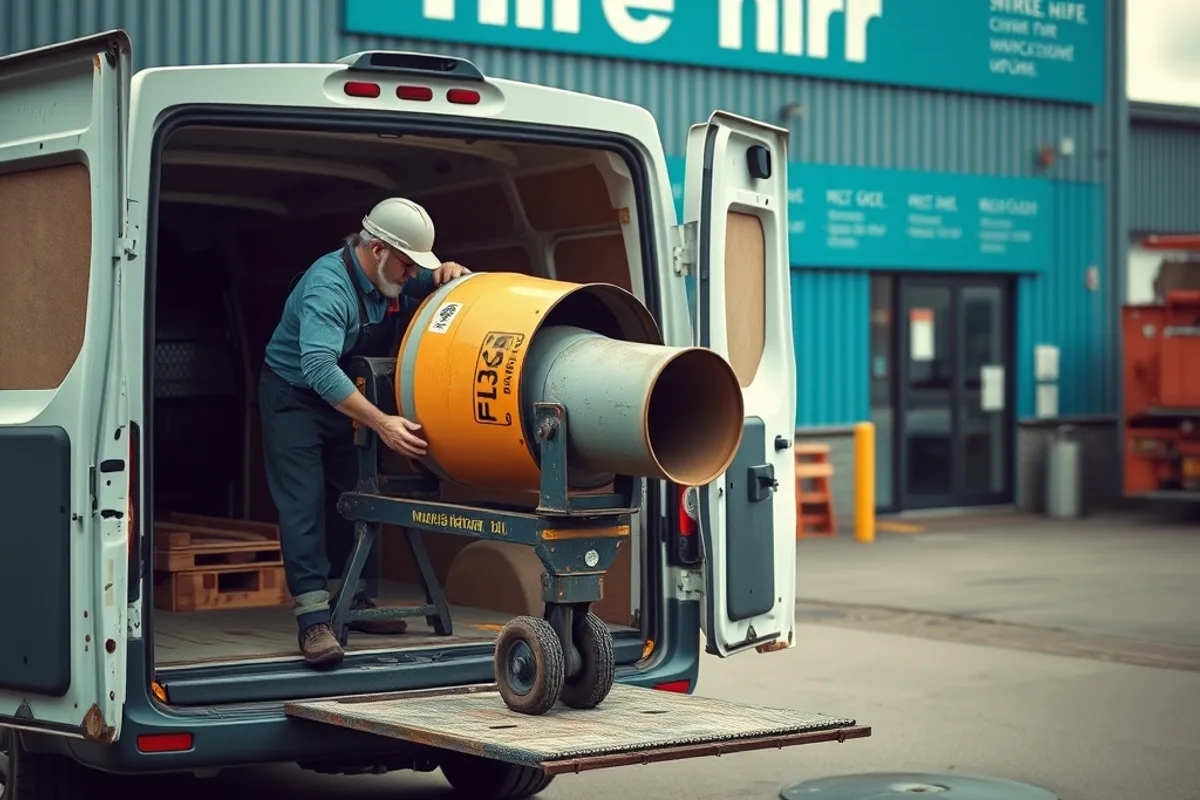
- Transport: a trailer, a tow bar, ramps and straps if the machine is not road-registered.
- Downtime: a hired machine that breaks is swapped. An owned machine that breaks stops the job and costs a repair plus lost days.
Add those up and divide by the annual hours. The result is often two to four times the naive purchase-price calculation.
The cost of hiring
Hire rates vary by region, machine and duration, but the structure is consistent. A day rate is high, a week rate is usually three to four day rates, and a month rate is often six to eight day rates. Weekend hires frequently cost the same as a day. Delivery and collection are charged separately and can be a significant proportion of a short hire.
Hire also includes maintenance, insurance and replacement of breakdowns, which is precisely the risk that ownership transfers to you. For a short, intensive job, that transfer is worth paying for.
The break-even calculation
A useful formula is to compare annual ownership cost with annual hire cost at your expected hours. Ownership cost per hour equals the sum of depreciation, servicing, repairs, insurance, storage and transport divided by annual hours. Hire cost per hour equals the hire rate plus delivery divided by the hours used per hire.
As a rough guide for compact plant, ownership starts to win at around 120 to 200 hours a year, depending on the machine. For small power tools, ownership is so cheap that the threshold is much lower. For specialised machines used once a year, hire wins by a wide margin even at a high day rate.
The calculation should also include the value of convenience. If hire shops are closed on the day you need the machine, or the only local supplier is unreliable, ownership has a premium that the spreadsheet does not capture. That premium is real, but it should be a conscious decision rather than an accident.
When buying is clearly right
There are genuine cases where ownership is the better choice even at modest utilisation.
- Weekly use. If the machine works most weeks, hire logistics become a cost in themselves.
- Remote sites. Where delivery is expensive or slow, owning the machine keeps the programme moving.
- Security of supply. During peak season, popular machines are booked out for weeks.
- Specialist tools. Some tools are hard to hire, poorly maintained by hire shops, or need to be set up for a specific task.
- Long projects. A six-month renovation can justify owning the core machines and hiring the rest.
Buying used without buying trouble
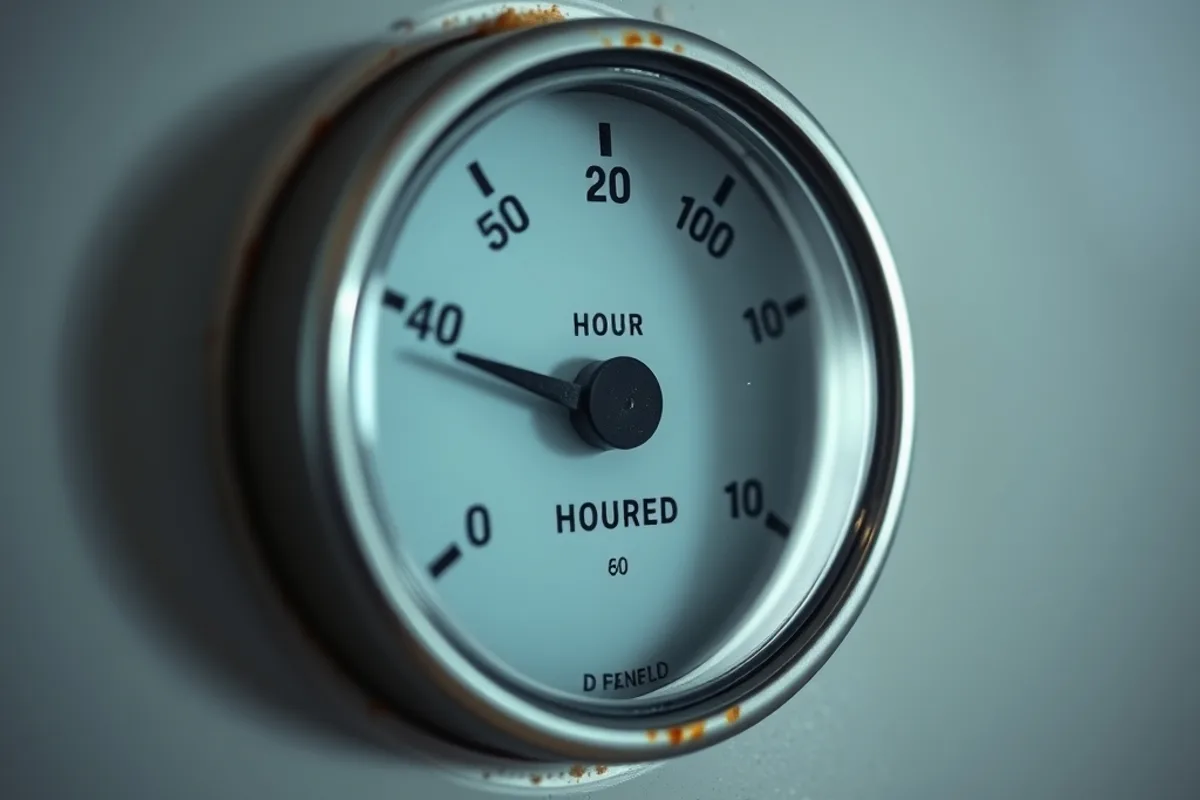
Used equipment can be excellent value, but only when the history is known. Ask for the service record, the hour meter reading and the reason for sale. Inspect the machine cold, because a warm engine hides starting problems. Check for leaks, weld repairs, unusual noises and play in bearings and pins.
For anything with an engine, budget for a mechanic's inspection before purchase. The cost is small compared with a failed hydraulic pump. For battery tools, check that the packs hold charge and that the platform is still supported.
Storage, security and resale
Plant theft is opportunistic and organised. A locked shed with a ground anchor and a marked machine is much less attractive than an unmarked machine under a tarpaulin. Record serial numbers, photograph the machine and register it with a plant marking scheme where one exists.
Resale value depends on brand, condition and completeness. Keep the manual, the servicing receipts and the transport accessories. A machine sold with a folder of records and a recent service will fetch more than an identical machine sold as seen.
Common mistakes
- Comparing purchase price with a single day rate and concluding that buying is cheaper.
- Forgetting transport and storage in the ownership calculation.
- Buying a machine for one project that will be finished in a fortnight.
- Hiring a machine and then discovering it needs an operator ticket or a power supply that is not available.
- Buying used without a cold start and a mechanic's inspection.
- Ignoring the resale value of a well-maintained machine when calculating the true cost.

What good looks like
A sensible equipment strategy is a small core of owned tools that are used constantly, plus a hire account for everything else. The owned machines are serviced, insured, marked and stored properly. The hired machines are booked early, with delivery confirmed and the operator trained.
The decision is not emotional. It is a calculation of hours, risk and convenience, reviewed once a year when the accounts are done. That review is what stops a shed filling with machines that were bought for one job and never used again.