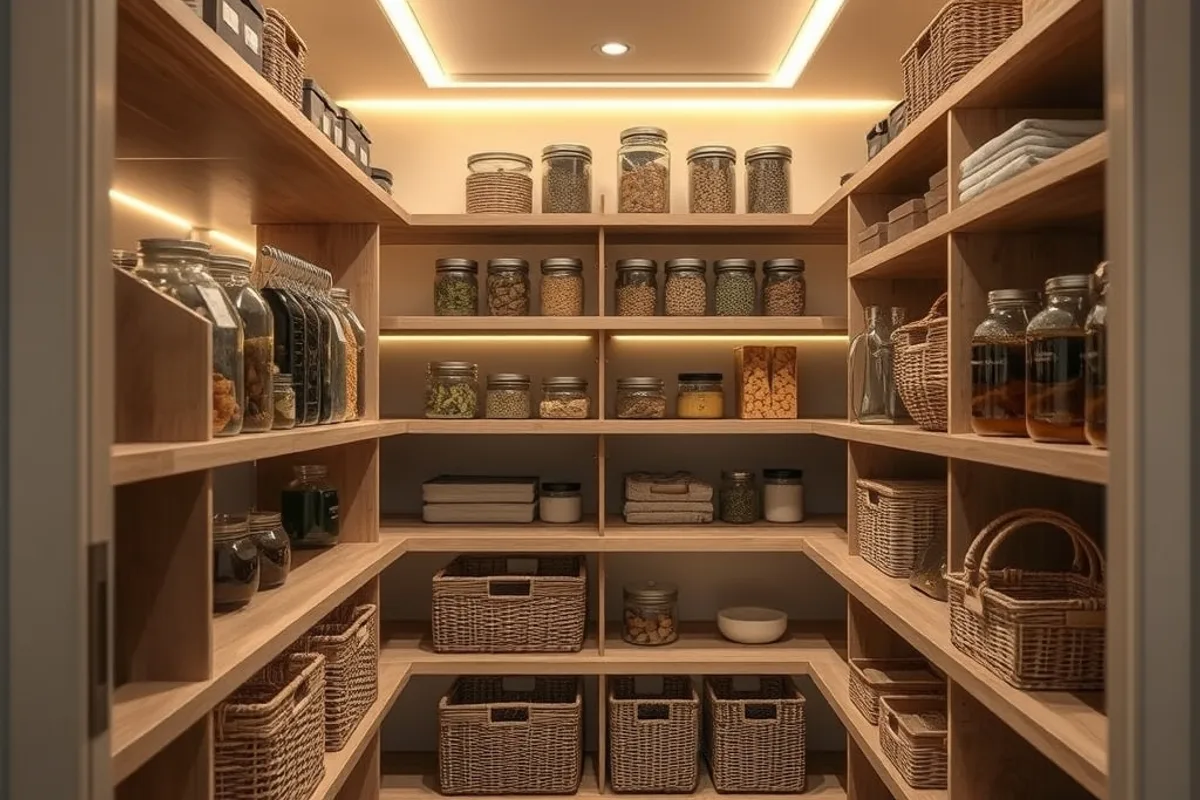
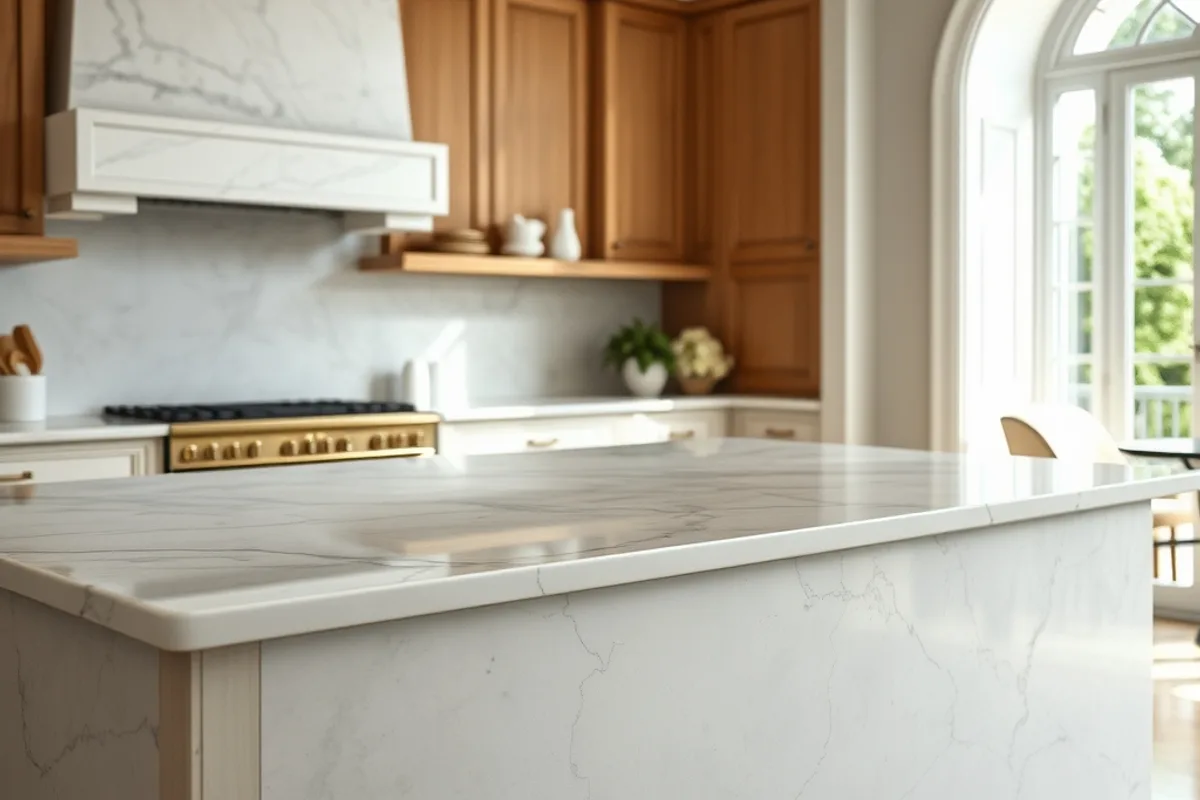
Natural stone is one of the few materials in a luxury interior that improves with age, but only if it is the right stone in the right place. The same marble that looks extraordinary on a bathroom wall can be a liability on a kitchen worktop. The same limestone that patinates beautifully in a hallway can stain permanently beside a shower.
Choosing well is less about finding the most beautiful slab and more about matching three properties to the room: porosity, acid sensitivity and finish. Understand those and most of the expensive mistakes disappear.
The short version
- Marble and limestone are calcium-based and etch on contact with acid. Keep them away from lemons, vinegar and harsh cleaners.
- Granite and quartzite are harder and more acid-resistant, but neither is indestructible.
- Honed and brushed finishes hide scratches and water marks better than polished ones.
- Sealing slows absorption; it does not make stone waterproof. Reapply on a schedule.
- Buy the slab you have seen, not the sample. Stone varies from block to block.
Porosity: what actually stains
Porosity describes how much liquid a stone absorbs. Limestone and some travertines are relatively porous and will take up oil, wine and rust if left unsealed. Dense granites and quartzites absorb very little. Marble sits in the middle: it is not especially porous, but it is chemically reactive, which is a different problem with the same result.
A simple test on an offcut is to place a teaspoon of water and a teaspoon of oil on the surface and leave them for twenty minutes. If either darkens the stone, it needs sealing and careful use. If both sit on the surface, the stone is dense enough for a kitchen or an entry hall.
Acid sensitivity: the marble problem
Marble, limestone, onyx and travertine are calcium carbonate. Acid dissolves calcium carbonate. A slice of lemon, a splash of vinegar dressing, a glass of wine or a bathroom cleaner with citric acid will leave a dull, slightly rough mark called an etch. Etching is not a stain that can be cleaned out. It is a small area of dissolved stone, and repairing it means repolishing the surface.
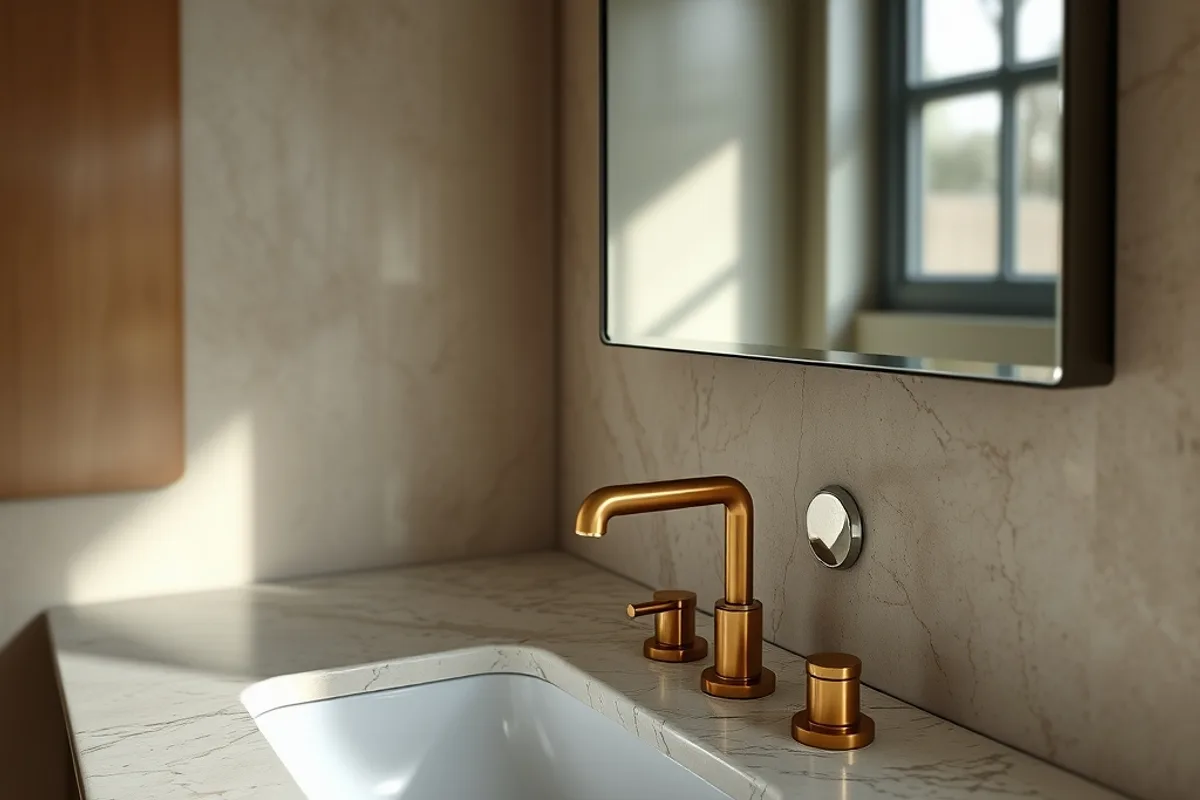
This does not mean marble is unsuitable for a luxury home. It means the specification must match the use. Marble is excellent on bathroom walls, fireplace surrounds, vanity tops in guest bathrooms and low-traffic floors. It is a poor choice for a family kitchen worktop unless the household accepts that the surface will develop a patina of etches, which some people genuinely like and most do not.
Finish choices and how they age
Polished stone reflects light and shows the full depth of the material. It also shows every scratch, water ring and etch. Honed stone has a matte surface that hides scratches and water marks and feels softer underfoot. Brushed and antiqued finishes are textured, slip-resistant and extremely forgiving in busy areas such as boot rooms and kitchen floors.
For floors, a honed or brushed finish is usually the better long-term decision. For walls and splashbacks, polished stone is practical because it is not subject to impact, and it is easier to wipe. For worktops, a honed finish with a light seal is the compromise most designers recommend: it looks calm, hides the daily wear and can be re-honed locally if needed.
Edges, joints and the details that reveal cost
The edge profile is where cheap stonework announces itself. A simple 20 mm square edge with a slight chamfer looks refined and is easy to maintain. A mitred edge that makes a 30 mm worktop look 60 mm thick is more expensive but transforms the visual weight of an island. A bullnose or an ogee belongs to a different era and rarely suits contemporary interiors.
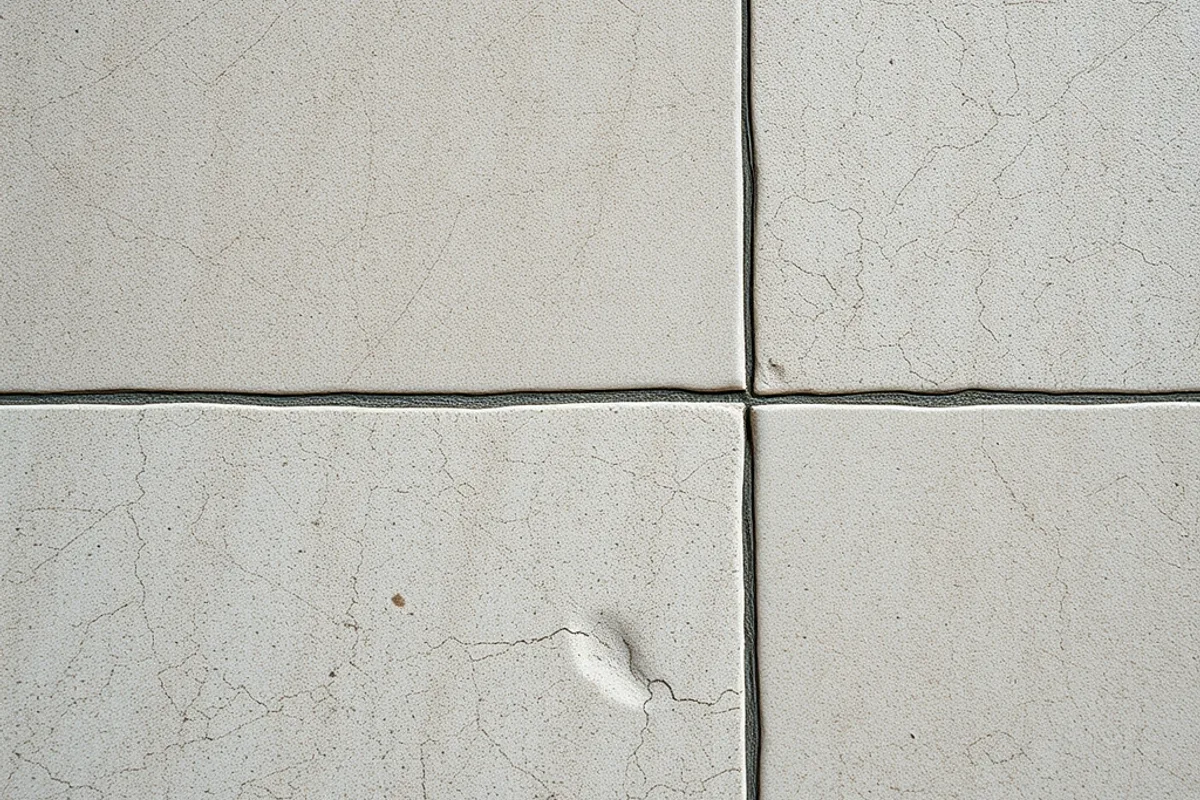
Joint width matters as much as joint filler. Tight joints of 2 to 3 mm in a honed floor read as a continuous surface; wide, uneven joints make even expensive stone look like a tiling job. Specify a flexible, colour-matched grout and accept that natural stone floors need a movement joint at the perimeter and across large spans.
Sealing, cleaning and the honest maintenance regime
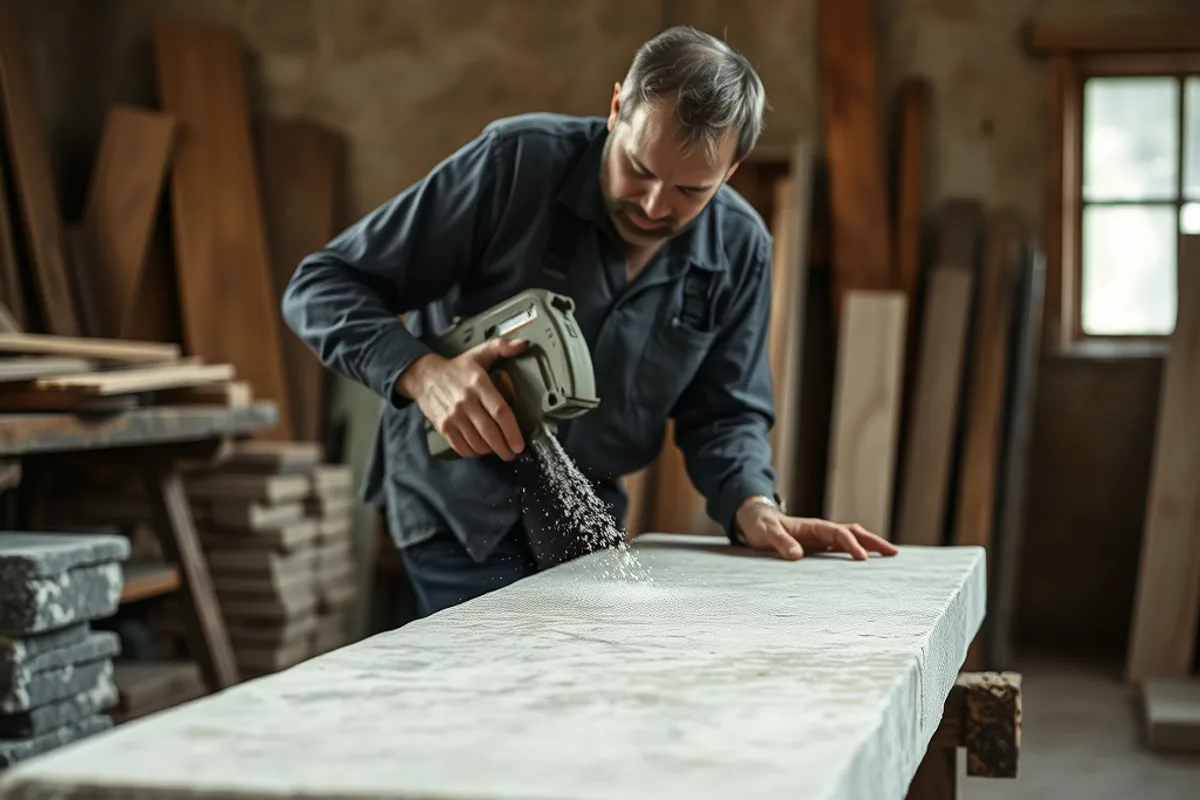
Sealers fall into two broad groups. Impregnating sealers penetrate the stone and line the pores, leaving the surface looking natural. Topical sealers form a film on the surface and can look plastic; they also wear unevenly. For most interior stone, an impregnating sealer is the right choice, applied until the stone stops absorbing and then buffed dry.
Reapplication depends on use. A kitchen worktop may need a top-up every six to twelve months. A bathroom floor every one to two years. A hallway floor every two to three years. The test is the water bead: if water stops beading and starts darkening the stone within a few minutes, it is time to reseal.
Cleaning should be pH-neutral. A drop of washing-up liquid in warm water is adequate for most daily cleaning. Avoid vinegar, lemon, bleach, descalers and abrasive powders. For a deeper clean, use a stone-specific neutral cleaner and dry the surface afterwards rather than leaving it wet.
Underfloor heating and movement
Stone is a good conductor and works well over underfloor heating, but the assembly has to be designed for it. Use a decoupling membrane over timber substrates, allow the screed to cure fully before laying, and programme the heating to warm gradually. Stone expands and contracts; without movement joints at the perimeter and at door thresholds, a large floor will tent or crack.
For worktops, avoid placing stone directly over a dishwasher or oven without a ventilated gap. Local heat and steam can drive moisture through the underside and cause staining or, in extreme cases, thermal shock.
Repairing instead of replacing
One advantage of stone is that damage is often repairable. A chip on an edge can be filled with a colour-matched resin and polished back. An etch can be re-honed by a specialist with diamond pads. A stain can sometimes be drawn out with a poultice over several days. Deep cracks are a different matter and usually indicate a structural or fixing problem rather than a surface one.
Keep an offcut of every stone used in the house. In five years, matching a slab from the same block will be impossible, but a 300 mm offcut will cover a chip, a repair test or a new soap dish.

What good looks like
Good stonework is quiet. The joints line up, the edges are consistent, the finish suits the traffic, and the material is sealed and cleaned in a way that lets it age rather than decay. The slab was chosen in person, the installer understood the substrate, and the household knows which bottle of cleaner must never be used.
Specified that way, natural stone is one of the few finishes that looks better at year ten than at handover. Specified badly, it becomes the most expensive surface in the house to regret.