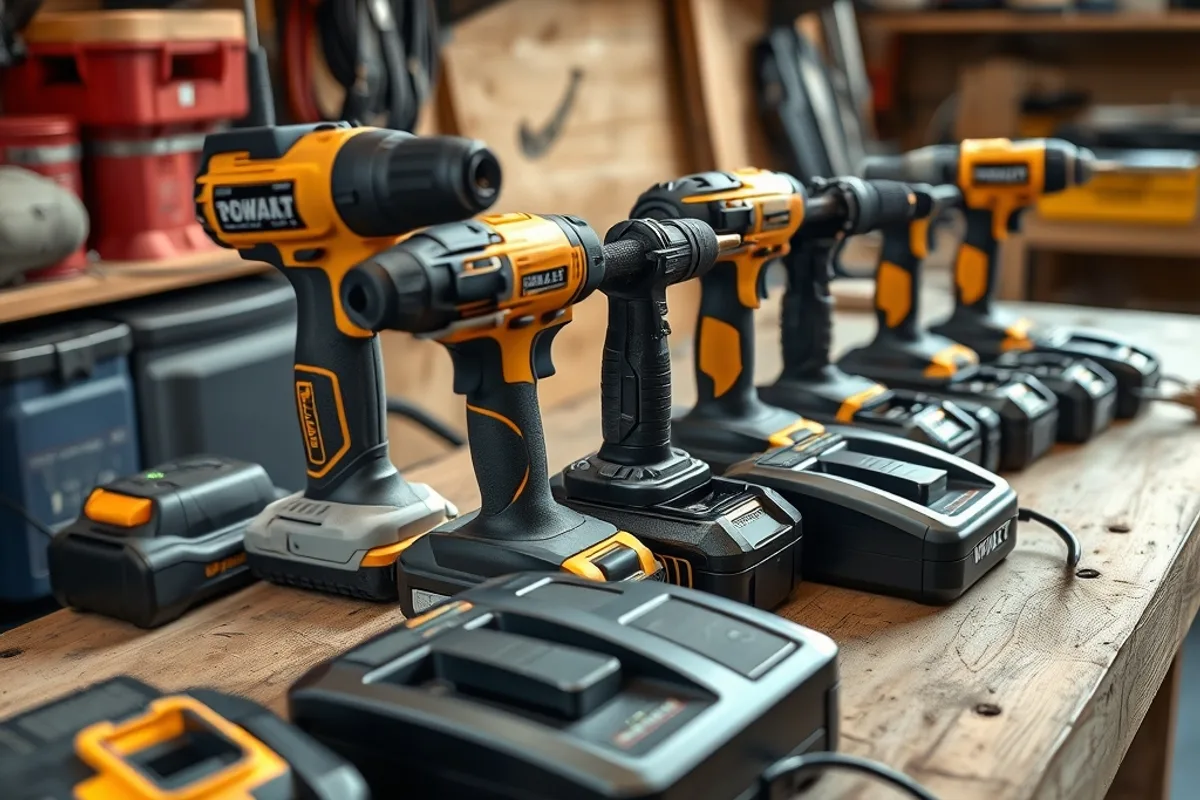
Buying a cordless tool is easy. Buying into a cordless platform is a commitment. Once you own three batteries and two chargers from one manufacturer, the next tool is almost always bought bare, and switching brands means replacing the entire set. That is fine if the platform suits your work. It is expensive if it does not.
The good news is that the major platforms are all competent. The differences that matter are not peak torque figures on a brochure. They are the range of tools, the battery form factor, the charger logic, the warranty and the availability of spares five years from now.
The short version
- Pick a platform for the tools you will need in five years, not the drill you need today.
- 18 V is the practical default for home improvement and light trade work. Higher voltage suits heavy cutting and drilling.
- Buy at least two batteries and a multi-bay charger. One battery is a hobby, two is a workflow.
- Bare tools are cheaper only after the batteries are already owned.
- Check spares, service centres and warranty terms before the first purchase, not after the first failure.
Voltage classes and what they mean
Voltage is a rough proxy for power, not a measure of quality. A well-designed 18 V saw can outperform a cheap 36 V saw. That said, the classes do map onto work.
- 12 V: compact drills, impact drivers, multi-tools, inspection lights. Light, precise and excellent for cabinet work and overhead jobs.
- 18 V: the mainstream. Drills, saws, sanders, grinders, nailers, blowers, mowers. Enough power for most renovation and light trade tasks.
- 36 V and above: heavy cutting, core drilling, large demolition hammers. Justified when the tool runs for hours, not minutes.
A common and sensible setup is 12 V for precision and 18 V for the rest. Mixing two platforms is acceptable when each has a clear role; mixing three is usually a sign of unplanned buying.
Battery chemistry and the real cost of cells
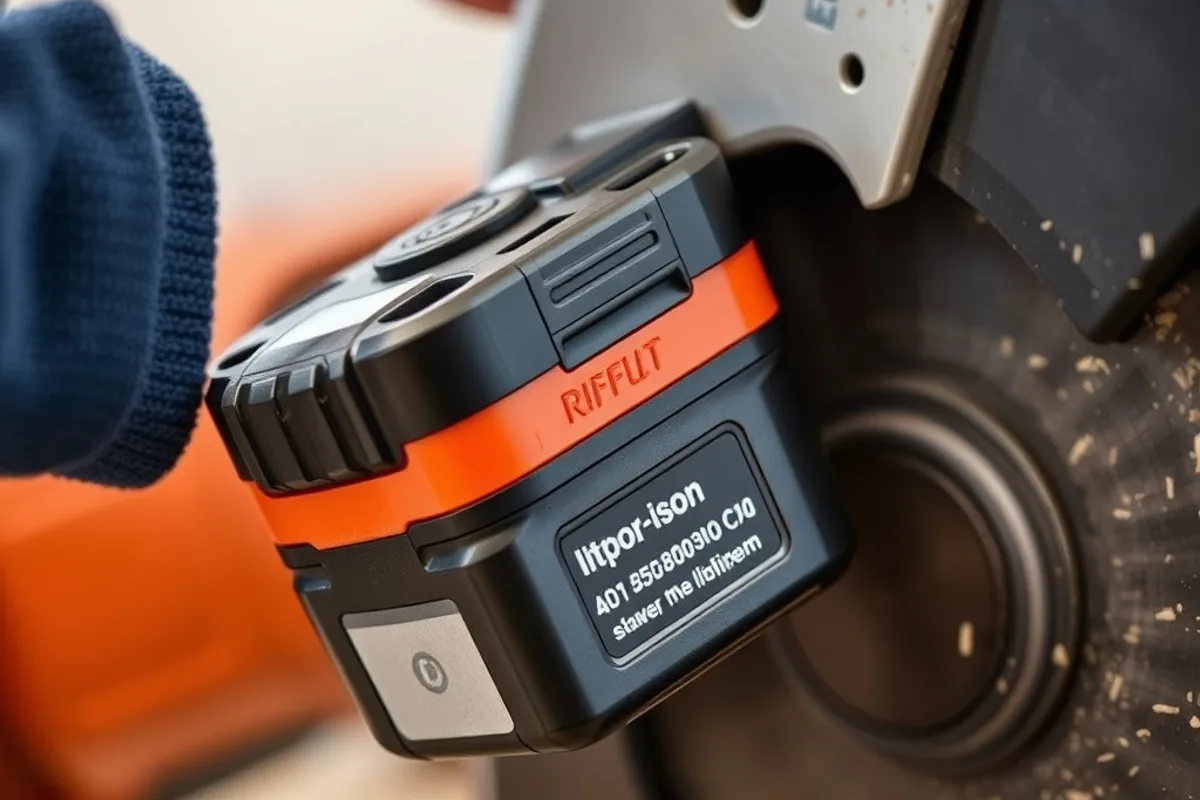
Almost all modern cordless tools use lithium-ion cells. The differences are in cell quality, pack construction and the electronics that manage discharge. A cheap pack may use lower-grade cells with a shorter cycle life and no cell balancing. A good pack will still hold most of its capacity after 500 full cycles.
Capacity is quoted in amp-hours, but two packs with the same Ah rating can deliver very different real-world runtime depending on cell type and the tool's current draw. For high-drain tools such as circular saws and grinders, a high-output pack with larger cells is worth the weight. For drills and drivers, a compact 2.0 to 3.0 Ah pack is lighter and adequate.
Store packs at room temperature, half charged, and away from the charger. Heat is the enemy of cycle life, which is why a pack left on a hot van floor in summer ages faster than one used daily in a workshop.
Chargers, logistics and the multi-bay argument
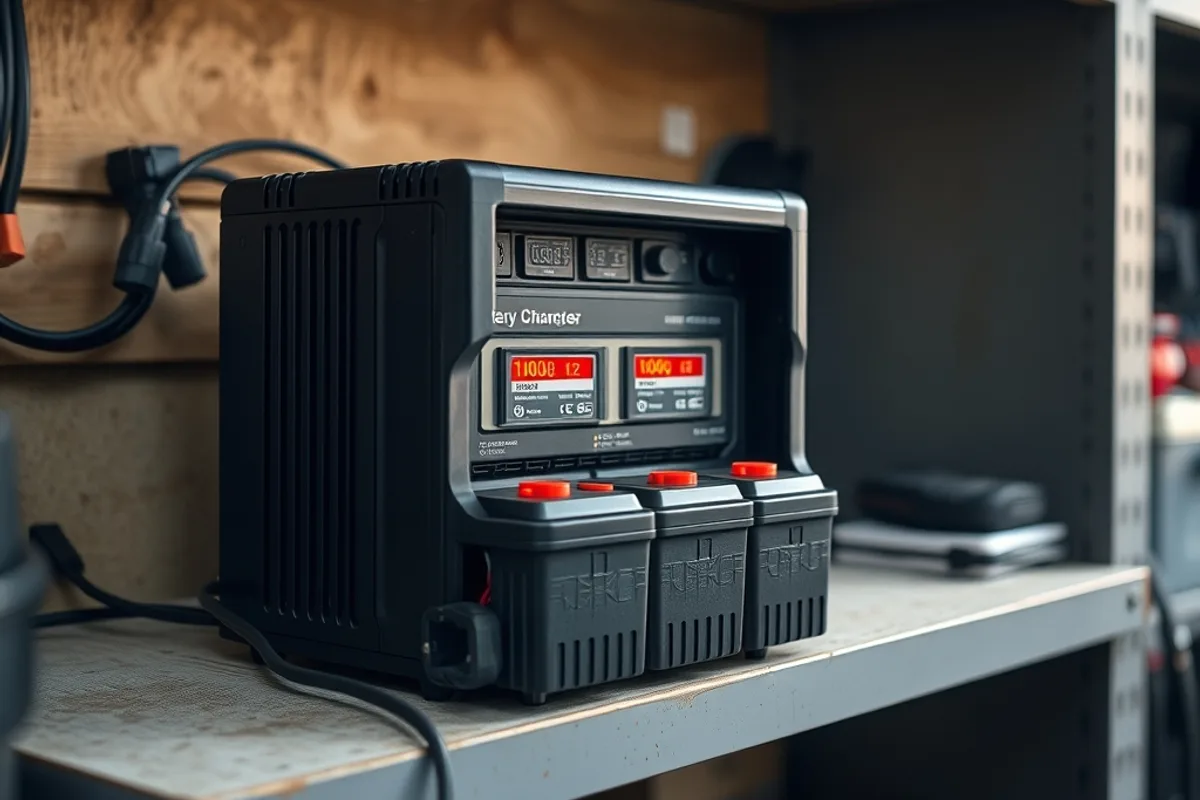
The charger is the most underrated part of a platform. A single slow charger turns two batteries into one usable battery. A four-bay charger with a maintenance mode lets a small crew keep packs in rotation and keeps stored packs healthy.
Look for a charger that communicates with the pack: it should stop at full, not trickle indefinitely, and it should indicate a faulty cell rather than simply refusing to charge. If you work on site, a 12 V or 18 V charger that runs from a vehicle supply is useful, but check the current draw against the socket rating.
Bare tools and the economics of loyalty
The bare-tool model rewards platform loyalty. Once the batteries exist, a new bare tool costs 40 to 60 per cent of the kit price. That is a genuine saving, and it is also a trap: it encourages buying tools that are not quite right because they are cheap within the system.
Before adding a tool, ask whether it will be used more than twice a year. If not, hire it or buy a corded version. Corded tools are cheaper, lighter and more powerful for stationary work; a corded sander or mitre saw is often the better buy even when a cordless equivalent exists.
The first five tools worth owning
- Combi drill. The default tool. Choose one with a metal chuck and two speed ranges.
- Impact driver. Faster and kinder to screws than a drill, and cheap as a bare tool once the platform is chosen.
- Circular saw. A 165 mm blade handles most sheet goods and framing. Check the depth of cut at 45 degrees, not just at 90.
- Multi-tool. Undercutting, sanding in corners, cutting pipe. One of the most used tools in renovation.
- Work light. A bright, magnetic light makes every other tool safer and more accurate.
After that, add tools as jobs demand: reciprocating saw, random orbit sander, nailer, router. Each should be justified by a project, not by a sale.
Safety and maintenance
Cordless tools remove the cable trip hazard but introduce new ones. A battery pack stores a lot of energy; a shorted pack can ignite. Keep packs away from metal objects in a bag, use the manufacturer's charger, and retire any pack that is dented, swollen or smells of solvent.
Clean tools after dusty work, especially the motor vents and the battery contacts. A soft brush and a dry cloth are enough. Check blades and bits for damage, and replace worn accessories before they fail mid-cut. A tool that is maintained is safer and lasts longer, which improves the resale value of the platform as a whole.
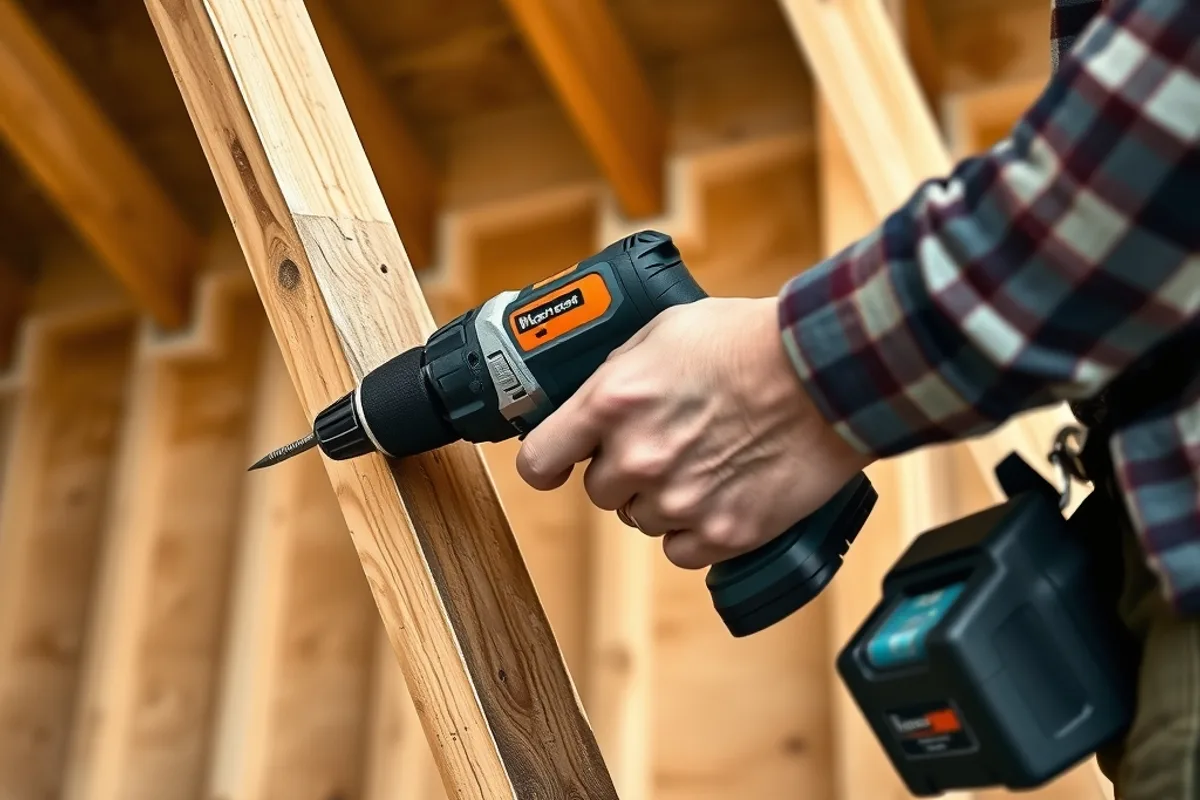
Warranty, spares and the five-year question
Before buying, check three things: the warranty length, whether batteries are covered, and whether spare parts are available locally. A platform with a five-year tool warranty and a two-year battery warranty is common; read the small print about registration deadlines and commercial use.
Also check the direction of travel. Manufacturers discontinue battery form factors eventually. A platform that has kept the same pack interface for a decade is a safer bet than one that changes every few years. For a homeowner, that continuity matters more than any single tool specification.
Common mistakes
- Buying a kit because it is discounted, then discovering the platform lacks the tools you need.
- Owning one battery and calling it a system.
- Leaving packs on the charger for months, which shortens their life.
- Mixing 12 V and 18 V expectations, then blaming the tool for lacking power.
- Choosing a cordless tool for a job that a corded or hired machine does better.
- Ignoring registration deadlines and losing the warranty.
What good looks like
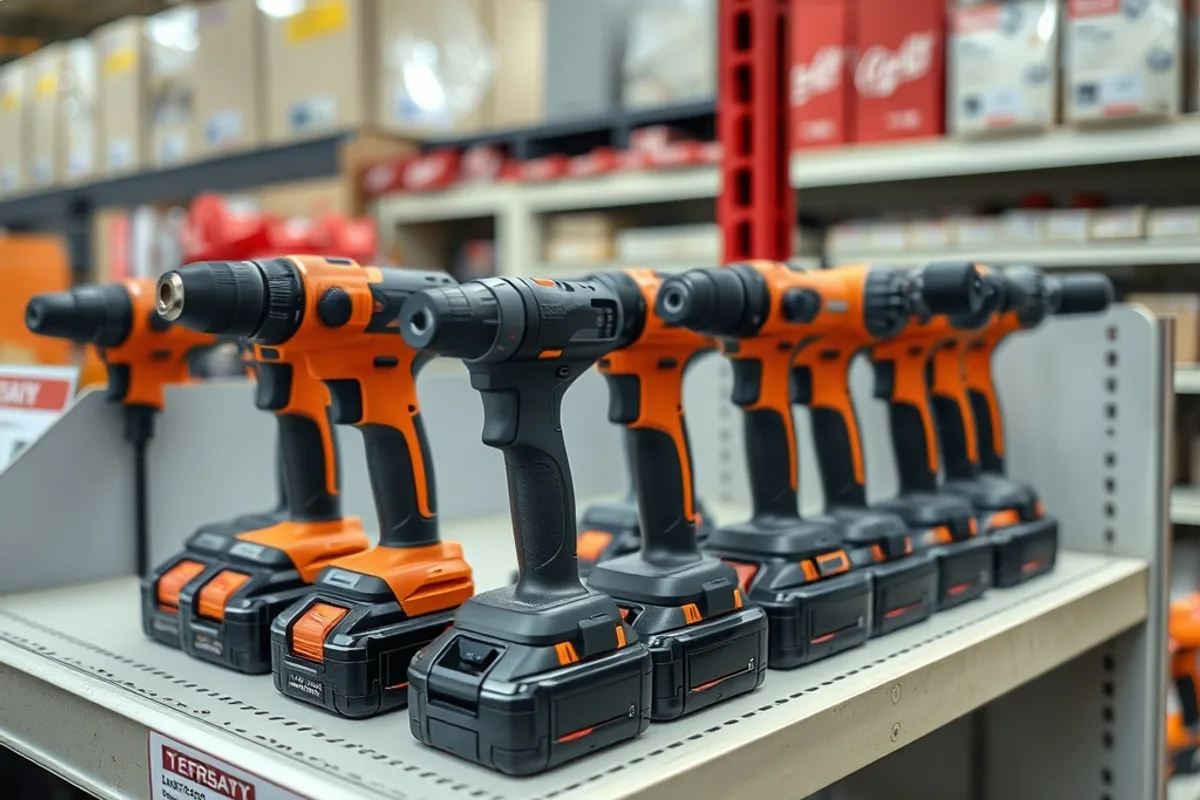
A good cordless setup has one or two platforms, four to six batteries in rotation, a multi-bay charger, and a small number of tools that each earn their place. There are no orphan batteries, no mystery chargers, and no tools bought because they were on offer.
The test is simple: can you complete a weekend project without stopping to charge? If yes, the platform is working. If no, the problem is usually batteries and chargers, not the tools.